
Popular Searches
Popular Searches

How a Smart Irrigation System Uses Sensors and Data to Make Watering Easier ?
We check the weather before stepping out, carry a bottle when it’s hot, and avoid drinking water that doesn’t look right. But when it comes to crops, watering often still depends on routine and habit. A little more today, maybe less tomorrow.
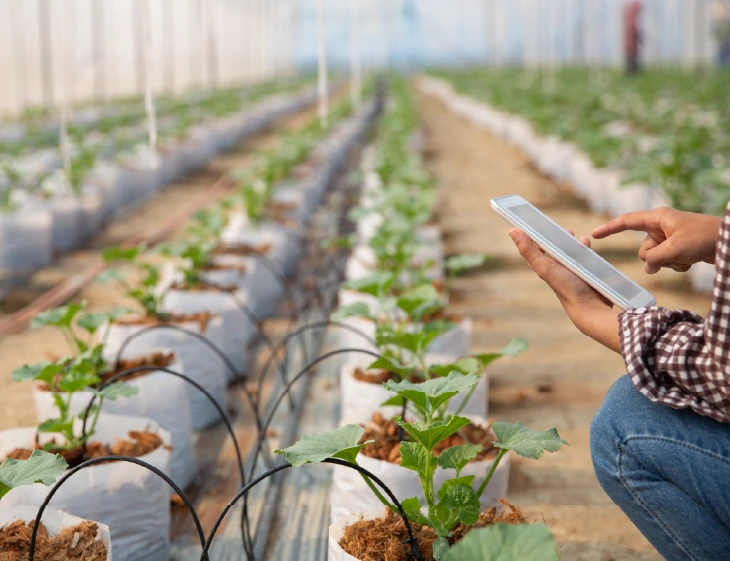
We check the weather before stepping out, carry a bottle when it’s hot, and avoid drinking water that doesn’t look right. But when it comes to crops, watering often still depends on routine and habit. A little more today, maybe less tomorrow.
That’s where a smart irrigation system starts to make a difference. Not in a big way at once, but in how things settle over time.
What a smart irrigation system actually does ?
If you strip it down, it’s just about matching water with what the field actually needs. Not on a fixed time, and not because it’s “morning” or “evening.” If there’s still moisture in the soil, it waits. If things start drying out, it responds. That’s it.
You don’t really stand there watching it happen. But after a few days, things start looking more even across the field.
The role of a Soil moisture sensor
A Soil moisture sensor works quietly in the background. It sits in the soil and keeps track of what’s happening near the roots. Not what it looks like on the surface. Because that can be misleading. The top might dry out quickly, especially on a hot day. But a few centimetres below, there could still be enough moisture.
Or sometimes the opposite. That small difference is what usually affects how the crop responds.
How an IoT irrigation system connects everything ?
An IoT irrigation system is basically the link between all these parts. Sensors send information. The controller reads it. Then the system decides what to do next. Start. Stop. Or just wait. Once it’s set up properly, you’re not constantly stepping in. It keeps adjusting as things change.
Some systems let you check everything remotely. Some don’t. Either way, the basic idea stays the same.
Where Automated drip irrigation fits in
With Automated drip irrigation, things start feeling more practical on the ground. Drip already delivers water close to the roots. When automation is added, the timing also gets handled. So instead of running longer just to be safe, it runs for what’s needed and then stops.
It sounds small, but over time, it keeps the soil from swinging too much between dry and wet.
Using Mobile app controlled irrigation in daily work.
With Mobile app controlled irrigation, you get a bit of flexibility. You’re not tied to being physically present all the time. If something needs to be changed, you can do it from wherever you are, and it’s not something you keep checking every hour. But when needed, it helps. Especially on days when you’re handling too many things at once.
Why Wireless irrigation sensors make things easier ?
Wireless irrigation sensors make life simpler during setup. No complicated wiring across the field. You place them where you need readings. This matters because one part of the field rarely behaves like the other. Some patches dry faster. Some hold moisture longer. Having inputs from different spots helps keep things more balanced.
How data actually helps in daily farming ?
All of this runs on small bits of information. It is just enough to decide what to do next. A well-set smart irrigation system handles this without needing constant attention, and you don’t have to keep adjusting things again and again. After a while, you’ll notice the field staying more consistent.
What changes in day-to-day farming ?
The biggest change isn’t really the system itself, but how much less you have to think about irrigation. You’re not going back and forth checking if things ran properly or fixing the same issue the next day. The routine part just becomes easier to manage. At Automat, we’ve seen that most farmers aren’t looking for more features, they just want something that runs reliably without adding extra work.
Bringing it all together
A smart irrigation system doesn’t replace experience. You will still understand your field, your crop, and your timing. The system just helps to keep things from drifting too much.
As an irrigation equipment manufacturer, we’ve always looked at this from a practical side. What actually works in the field, not just in theory.
Conclusion
Farming still depends on how closely you pay attention. That doesn’t change. What does change is how steady things can stay once irrigation is handled better. When that part settles down, everything else becomes easier to manage.
FAQs
How accurate are soil moisture sensors in Indian conditions?
They’re fairly reliable if installed properly, and they give a much clearer idea of what’s happening below the surface than just looking at the soil.
Can smart irrigation systems work without internet?
Yes, many systems run on local controllers and sensors, so they keep working even without a constant internet connection.
How much water can smart systems actually save?
It varies, but many farmers notice a clear reduction since water is applied only when it’s actually needed.
What is the cost of installing a smart irrigation system for 5 acres?
It really depends on how basic or advanced you go. A simple setup costs less, but once you add sensors and automation, the price naturally goes up.
Which crops benefit the most from smart irrigation?
Crops that don’t like too much variation in moisture tend to do better. Vegetables, fruits, and nursery plants are the ones where you usually notice the difference first.

Download Mobile App


Get in touch

Plot no. 18-19, Dilshad Garden, G.T. Road, New Delhi 110095.


