
Popular Searches
Popular Searches

SMF, ADF & ASF Drip Systems for Vegetable Crops: A Guide
Drip irrigation uses tiny emitters to apply the water, so filtration is an important part of the system. If these contaminants are not addressed, then the source water can contain things like sand, silt, algae, and organic matter that will clog up the water delivery.
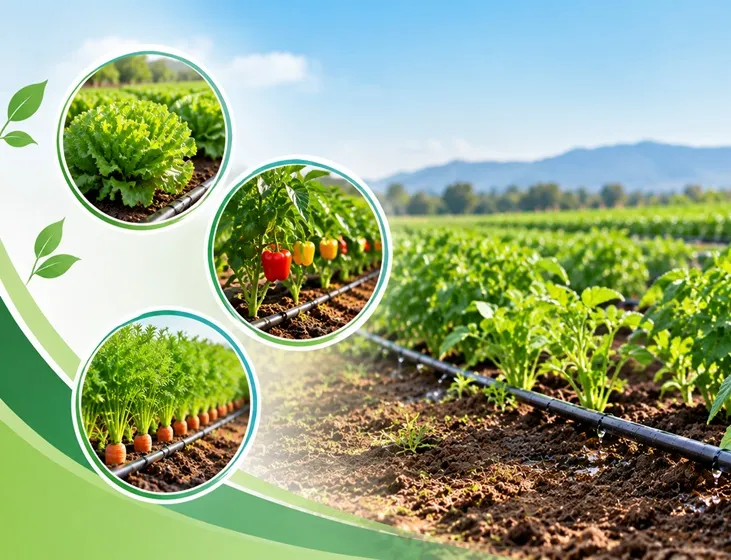
Drip irrigation uses tiny emitters to apply the water, so filtration is an important part of the system. If these contaminants are not addressed, then the source water can contain things like sand, silt, algae, and organic matter that will clog up the water delivery. The type of filtration needed depends on what the water contains, the required filtration level and the operating conditions of the irrigation network.
Sand Media Filters (SMF), Automatic Disc Filters (ADF) and Automatic Screen Filters (ASF) use different filtration methods. Upon discovering how they function, are maintained, and are utilized, a vegetable grower can select equipment appropriate for his water source and irrigation needs.
Start by Understanding Your Water Source
Before selecting an automatic filter for drip irrigation, consider where the water comes from and what it may contain. Water drawn from an open well, pond, river or reservoir can carry different amounts and types of suspended material. Conditions may also change with the season or as the source water level changes.
For vegetable cultivation, this matters because blocked emitters can interrupt water delivery to individual plants. If blockages occur across a section of the field, the resulting distribution may become uneven.
First, determine what kind of filtration you require and not just pick a filter because it has a name or it has an automatic cleaning feature. The filter must be suitable for the material present in the water and the needs of the downstream irrigation equipment.
SMF: When Media Filtration Is Needed
Sand Media Filters pass water through a bed of granular filter media. Suspended materials will be trapped by the media as they travel through the bed. This differs from screen filtration, where particles are retained by a screen element.
Automat's MachClean Sand Media Filters are listed for primary filtration in drip and micro-irrigation systems. The product reference specifically identifies surface water from open wells, ponds, rivers and lakes, which may contain organic biological contaminants, silt and clay. It also states that the filters are suitable for use with fertilisers and acids.
MachClean filters are available in manual and automatic configurations. Their listed features include reinforced glass-fibre construction, corrosion resistance, specially designed underdrain flutes and service ports intended to make maintenance easier. The reference also describes a design intended to reduce clogging and pressure drop.
When considering an SMF, check the filter's specified capacity, operating conditions and cleaning requirements. The suitability of the media filtration method should be established from the source-water conditions and the manufacturer's recommendations.
ADF, Disk Filter
Slotted Disk Filter: A set of grooved disks that filter the water. The grooves create the filtration pathways, while the cleaning mechanism removes accumulated material during the cleaning cycle.
Automat's AquaDisc range includes fully automatic disc filters designed to protect irrigation systems against impurities and help prevent emitter clogging. The reference identifies applications involving surface water containing algae and organic matter from reservoirs, rivers and wastewater treatment plants. It also describes a spray-jet cleaning mechanism designed for effective backflushing at lower pressures.
An automatic disc filter may be suitable when its filtration specifications match the source water and the requirements of the irrigation system. Flow capacity, filtration level, operating pressure and cleaning arrangements should all be checked before selecting a model.
Automatic operation can reduce the amount of routine manual cleaning required, but it does not remove the need for inspection and maintenance. The cleaning cycle and operating requirements should be understood before installation.
ASF: When Screen Filtration Is Suitable
Automatic Screen Filters pass water through a screen element that retains particles according to the screen's openings. In an automatic model, a cleaning mechanism removes material that accumulates on the screen.
Automat's Turbo Automatic Screen Filters are designed for drip and micro-irrigation, turf irrigation and industrial wastewater applications. The product reference highlights their ability to clean even in low-pressure applications and to maintain irrigation flow during the flushing process.
The Turbo series can initiate flushing through pressure differential, a timer or manual activation. It also uses a pressure differential switch and a suction scanner with controlled spiral movement to clean the screen while helping reduce wear. Electric and solar power options are listed, along with minimal water wastage during flushing.
An automatic self-cleaning screen filter can be a practical option when screen filtration suits the source water and the requirements of the downstream equipment. However, the screen specification and the filter's capacity must still match the application. Automatic cleaning alone does not guarantee suitability for every type of suspended material.
How Do You Decide Between the Three?
The difference between SMF, ADF and ASF is not simply a matter of choosing manual or automatic operation. The three methods use different filtration mechanisms, and their suitability depends on the source water and the complete irrigation system.
A media filter may be considered when the water contains material that is appropriately managed through media filtration. Screen filters use a screen; disk filters comprise ridge disks that trap particles. The choice should be based on the filtration requirement and the specifications of the individual model.
When comparing an automatic filter for drip irrigation, look beyond the cleaning mechanism. Check the filtration rating, expected flow, operating pressure and the type of material the filter is designed to handle. This will help determine if the product is suitable to install.
The phrase screen media filter for drip irrigation can also cause confusion when comparing options, because screen filters and media filters use different mechanisms. It is worth confirming which filtration method a product actually uses rather than relying on a general product description.
Consider Flow, Pressure and Cleaning Requirements
A filter must operate within the conditions of the irrigation system. Before making a choice, compare the expected flow with the model's specified capacity and check the available pressure against its operating requirements.
Cleaning arrangements deserve equal attention. The Turbo Automatic Screen Filter reference specifically states that irrigation can continue during flushing, while the AquaDisc range uses automatic backflushing designed to reduce cleaning time and water use. These are useful distinctions when evaluating the products, but their precise operating requirements should be confirmed from the relevant product documentation.
For a media filter, review the cleaning method and the installation requirements associated with the selected MachClean model. The space available, access for maintenance and the needs of the complete system should all be considered.
If you are comparing a 36 inch and 48 inch media filter, first confirm that the sizes are available in the product range you are considering. The supplied Automat references do not establish these particular sizes, so the selection should be based on verified product specifications rather than size alone.
What Should You Check Before Installation?
Choosing the filter is only one part of setting up a drip irrigation system. Connections and installation cleaning and operating pressure according to manufacturer's instructions.
It is also important to monitor how the irrigation system performs after installation. If emitters begin delivering water unevenly, the filter may need inspection, but the cause could also lie elsewhere in the pipeline or in a change in operating conditions. Checking the wider system helps avoid replacing or changing equipment unnecessarily.
Keep to the recommended maintenance schedule, even when the filter cleans itself automatically. Inspecting the equipment and understanding its cleaning indicators can help identify problems before they affect irrigation.
At Automat, we focus on irrigation and water management solutions designed to support efficient water use. Selecting filtration equipment that suits the source water and the requirements of the irrigation network is an important part of that process.
Ultimately, there is no single filtration method that suits every installation. Comparing SMF, ADF and ASF in terms of water quality, filtration requirements, flow, pressure and cleaning needs provides a more reliable basis for choosing the right filter for vegetable cultivation.
FAQs
What is the difference between SMF, ADF and ASF filters?
The SMF traps impurities in the media bed, and the ADF traps impurities in the grooved disks and the ASF traps impurities in the screen. Each is the perfect filter for different water conditions and filtration needs.
Which filter is best for high-sediment or canal water?
The choice depends on the type and amount of material in the water. Have the source water assessed and match the filter to the manufacturer's recommendations.
When should I choose a 36" or 48" media filter?
Choose based on the required flow capacity and the specifications of the available model. Automat does not reference size, and tech specs and available come first.
How often should automatic filters be backwashed?
It depends on the filter model, water quality and operating conditions. Follow the recommended cleaning settings by the manufacturer (e.g., time, manual, pressure differential).

Download Mobile App


Get in touch

Plot no. 18-19, Dilshad Garden, G.T. Road, New Delhi 110095.


