
Popular Searches
Popular Searches

Types of Agriculture Sprinkler Systems and Their Benefits for Different Crops
A tomato plant is almost 95% water. A cucumber? Even higher. When so much of a crop is made of water, it’s easy to see why irrigation isn’t just a background job but rather the lifeline of farming.
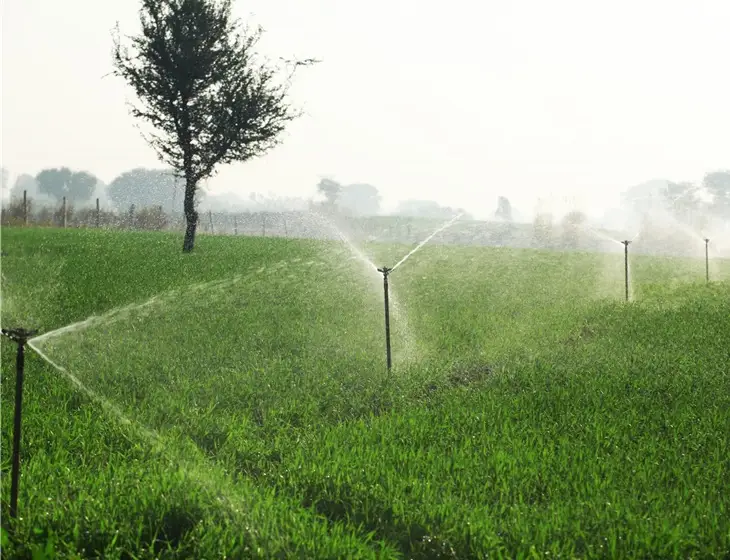
A tomato plant is almost 95% water. A cucumber? Even higher. When so much of a crop is made of water, it’s easy to see why irrigation isn’t just a background job but rather the lifeline of farming. The way water reaches those plants can decide how they grow, how evenly they ripen, and even how much yield a farmer takes home.
That’s where a sprinkler irrigation system steps in. Instead of flooding the field or leaving patches too dry, it spreads water evenly, almost like a light rainfall. From vegetables to orchards to fodder crops, sprinklers bring consistency to something that nature doesn’t always deliver on its own.
Sprinkler System Explained Simply
At its core, a sprinkler is just a nozzle that breaks water into droplets and spreads them across a patch of land. But when we talk about a full agriculture sprinkler irrigation system, it’s more than one nozzle. It’s a network of pumps pushing water into mainlines, laterals carrying it out, and sprinklers mounted on risers, stakes, or even movable lines. Together, they turn pressure into a pattern that mimics rain.
When someone asks for a “sprinkler system explain,” this is it in simple words- pipes, pumps, and sprinklers working together so the crop doesn’t depend on luck.
Types of Agriculture Sprinkler Systems
Sprinklers aren’t one-size-fits-all. Different crops, soils, and farm layouts call for different approaches. Here are the main agriculture sprinkler system types created at Automat:
1. Impact Sprinklers
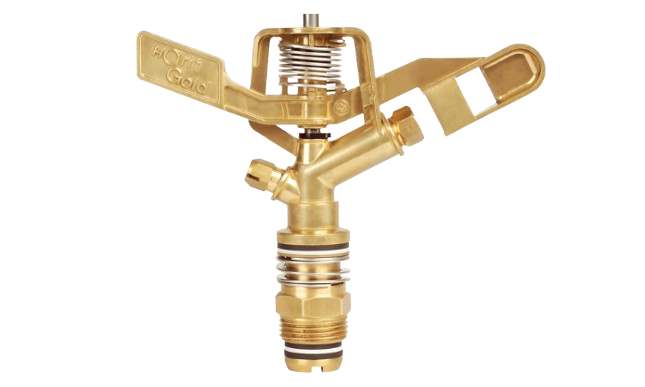
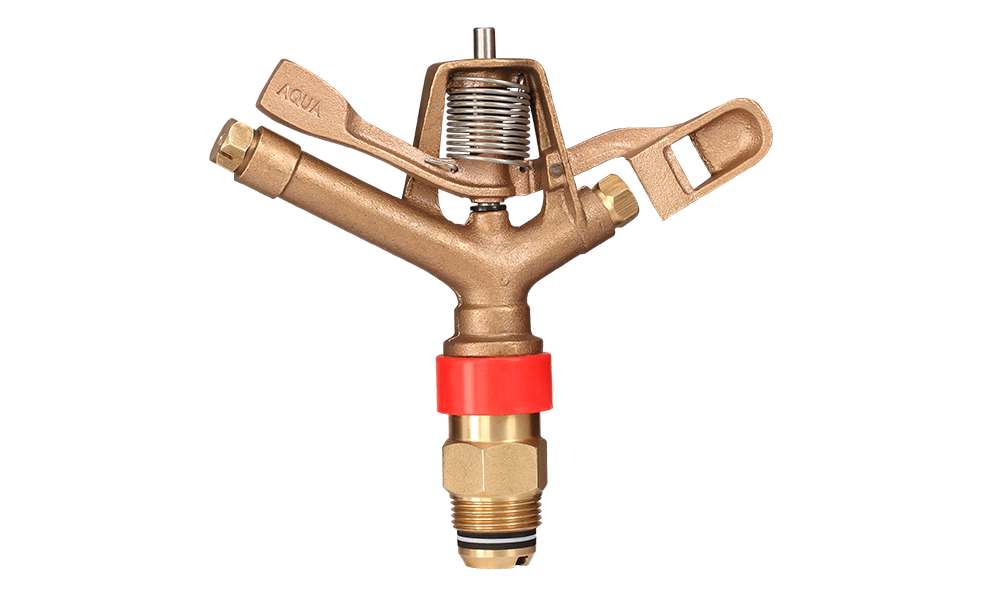
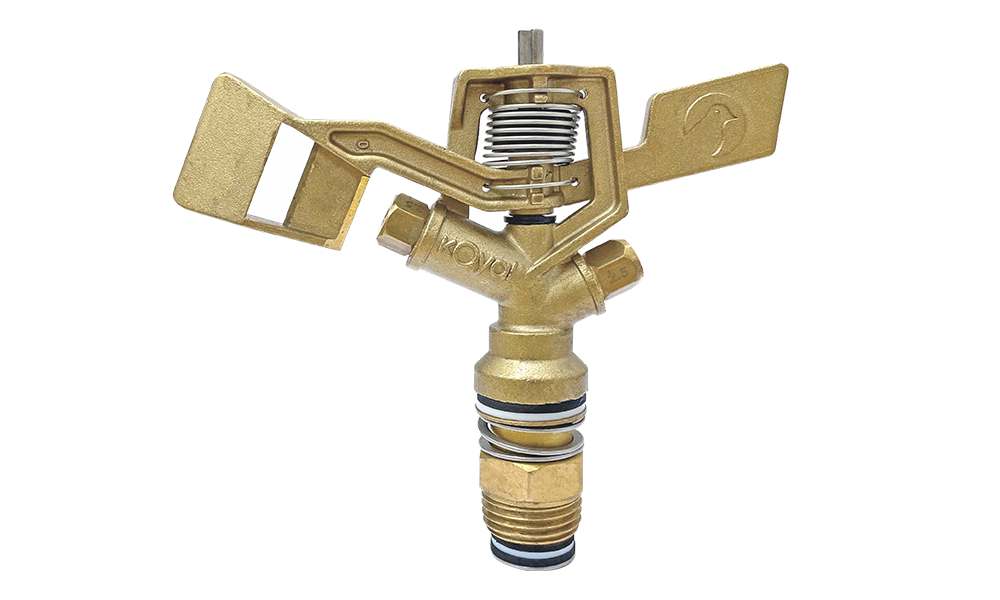
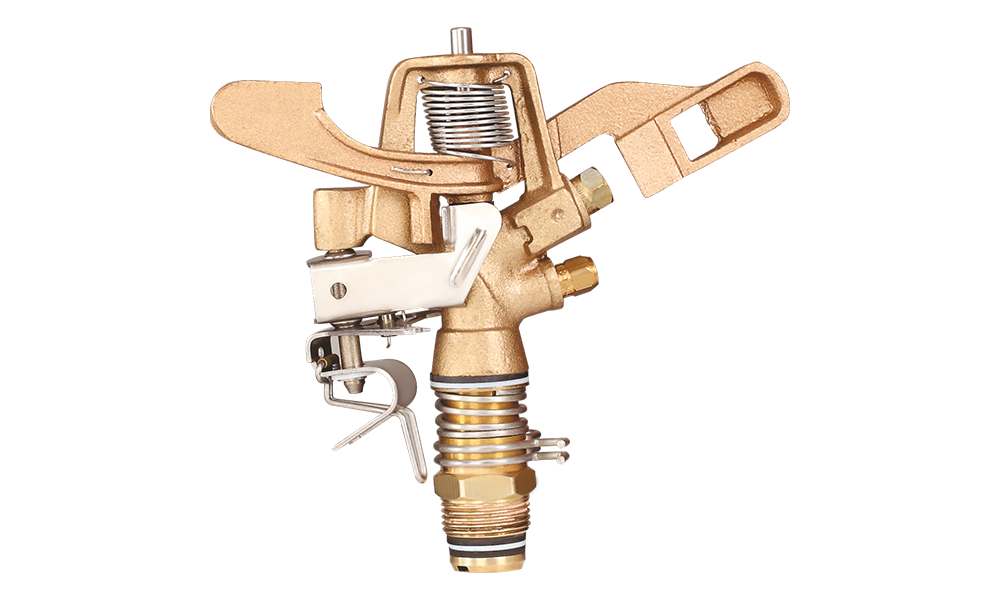
The classic ticking, rotating sprinklers. A spring-loaded arm strikes the water jet, spinning the head in circles. Available in both plastic and metal, these sprinklers are tough, versatile, and cover a wide radius. They’re widely used for cereals, pulses, vegetables, and even fodder crops.
2. Micro Sprinklers
These deliver gentle droplets at low precipitation rates. Perfect for nurseries, orchards, vineyards, and greenhouses where delicate plants or closely spaced crops need a lighter touch. Some models even work in part-circle patterns, ideal for tree lines and borders.
3. Large Sprinklers and Rain Guns
The big guns of irrigation are the large sprinklers and rain guns. They’re made to cover a lot of ground at once, which makes them a good fit for crops like sugarcane, maize, or fodder. With strong throw and features like jet breakers, they can handle open fields, even when the wind picks up.
Each type has its place. The trick is pairing the system with the crop’s needs and the farm’s water supply.
Matching Systems to Crops
Not every field or crop needs the same kind of sprinkler. What works for a nursery won’t always work for a sugarcane field. Think of it like picking the right tool for the job.
Nurseries and leafy greens do best with mini or micro sprinklers. They make a light shower that keeps seedlings moist without knocking them down.
Potatoes, onions, and garlic need steady, even watering across tight rows. Impact sprinklers with nozzles designed for uniform coverage do that job well.
Wheat, maize, and cotton usually call for mid-sized impact sprinklers. They’re strong enough to run through long seasons and cover wide areas evenly.
Sugarcane, fodder, or tea and coffee plantations often use big sprinklers or rain guns. These throw water across large plots so the far corners don’t dry out.
At the end of the day, an agriculture sprinkler system is more about matching pressure, spacing, and nozzle size so the whole setup fits your farm like it was made for it.
Benefits That Go Beyond Watering
The benefits of agriculture sprinkler system setups are often noticed over time:
- Uniform growth: Plants across the field receive similar moisture, leading to even ripening and predictable harvests.
- Water savings: Compared to flood irrigation, sprinklers cut down on runoff and evaporation.
- Energy efficiency: Many models work well at low pressure, saving fuel or electricity.
- Soil stays safe: The water falls gently, so it doesn’t wash away the topsoil or nutrients, even in lighter soils.
- Easy to adapt: The setup isn’t fixed and you can shift it, adjust it, or even automate it depending on what crop is in the ground.
- Less stress for farmers: With soil protected and systems that can adjust with the season, farmers get one less thing to worry about in the middle of everything else.
Modern Innovations in Sprinklers
Technology hasn’t left sprinklers behind. A modern agriculture sprinkler system can now do things farmers once only managed by hand:
- Part-circle coverage to irrigate edges without overshooting.
- Nozzles with colour coding for easy identification and servicing.
- Jet breakers and stream straighteners that keep droplets uniform even in wind.
- Built from sturdy materials that can handle sun, rain, and daily use without corroding.
Some systems even link to timers or controllers. With an automated agriculture sprinkler system, you can set it up once and let it run on schedule. It saves you the daily effort and makes sure the crop gets water when it needs it.
Why Even Distribution Matters
If you’ve seen a field watered unevenly, you know the problems: soggy corners, dry patches, and stunted plants. A crop irrigation sprinkler system fixes that by overlapping sprays and keeping the application rate within the soil’s intake capacity.
Think of it as rain engineered with purpose. Crops don’t just need water, they need fair, equal access to it. And that’s what sprinklers deliver.
Our Perspective at Automat
At Automat, we’ve spent decades listening to farmers and refining sprinkler designs based on their needs. From lightweight engineering plastics to rugged brass models, from mini sprinklers for nurseries to rain guns for plantations, we’ve tried to make sure there’s an option for every crop and condition.
Our focus has always been the same: keep water use efficient, keep coverage uniform, and make systems that are easy to install and maintain in real field conditions. When farmers choose a sprinkler irrigation system from us, they’re choosing experience shaped by years of feedback.
Wrapping Up
When a good agriculture sprinkler irrigation system is in place, every row gets its fair share with steady, even watering. Micro sprinklers work well for orchards, impact sprinklers suit bigger fields, and with so many sprinkler irrigation system types out there, farmers can usually find one that matches their land. And if it’s an automated sprinkler system, the job becomes even easier without losing control.
A farm sprinkler system may not be the flashiest tool on the farm, but it’s one of the most dependable. Set it up right, and it quietly turns water into healthy plants and, eventually, a better harvest.
FAQs
Which sprinkler system is best for small farms?
Small farms usually do well with mini or micro sprinklers since they’re simple to set up and don’t need much water pressure.
Can sprinkler systems be used for all types of crops?
Yes, sprinklers are used for vegetables, pulses, grains, and even fruit crops because they work well in most fields.
What is the sprinkler system in agriculture?
It’s a way of watering crops that mimics light rain so the water spreads evenly and nothing gets over or under-watered.
How many sprinklers per acre?
It really depends on the crop and how the field is laid out, but most farmers find that a dozen or so sprinklers usually cover an acre just fine.
Which irrigation method is the most efficient?
Sprinkler irrigation often turns out to be the most efficient since it cuts down on waste and keeps the soil evenly moist.
How do farmers maintain agriculture sprinkler systems?
They give the nozzles a quick clean, fix any small leaks, and make sure the water pressure stays steady. That’s usually all it takes.
Download Mobile App


Get in touch

Plot no. 18-19, Dilshad Garden, G.T. Road, New Delhi 110095.


