
Popular Searches
Popular Searches

What is a Flow Control Valve? How It Controls Water in Irrigation Systems
We often think problems come from not having enough. But many times, it’s about how things are managed. When something moves too fast or without control, it rarely works the way it should.
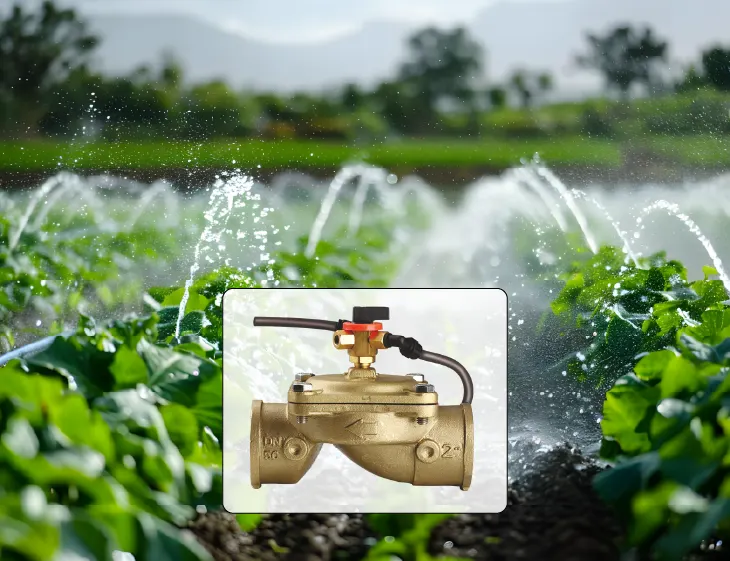
We often think problems come from not having enough. But many times, it’s about how things are managed. When something moves too fast or without control, it rarely works the way it should. Water in an irrigation system behaves in a similar way. It needs to be kept in check so it reaches the field properly.
Understanding a flow control valve in simple terms
A flow control valve is one of those parts in an irrigation line that doesn’t get much attention, but you notice its absence when things go off.
Water in a pipeline doesn’t move evenly on its own. Pressure keeps changing depending on distance, layout, and how the system is running that day. Without control, some areas end up getting more water than needed, while others stay slightly dry.
The valve simply helps manage that. It limits or allows flow so the system doesn’t swing too much in either direction.
Flow control valve water behavior in pipelines
Water inside a pipe is never as steady as it looks from the outside. It speeds up, slows down, reacts to pressure, and sometimes even fluctuates during the same irrigation cycle.
A flow control valve water setup helps calm that down a bit. Instead of letting water rush through unchecked, it keeps things more balanced.
This becomes more noticeable in longer pipelines, where even small pressure differences start affecting how water spreads across the field.
Irrigation flow adjustment across fields
In places like Uttar Pradesh, fields are rarely uniform. One side might be slightly higher, another lower. Pipe lengths vary, and pressure is never exactly the same everywhere.
Because of this, irrigation flow adjustment becomes part of setting up the system properly.
Most farmers don’t keep adjusting things every day. But once the valve is set right, it helps maintain a more even flow without constant intervention. Over time, you can see the difference in how the crop grows across the field.
Pressure compensating valve and steady output
A pressure compensating valve doesn’t just sit there restricting flow. It keeps adjusting as pressure changes. Higher pressure, it slows things slightly. Lower pressure, it opens up a bit. That helps keep the water coming out more evenly.
Automatic flow control in irrigation systems
In larger setups, automatic flow control makes things easier to manage.
Once installed, the valve responds on its own based on how water is moving through the system. It doesn’t remove the need for checking things occasionally, but it does reduce how often adjustments are needed.
For bigger fields or longer pipelines, that makes a practical difference.
Valve for constant flow rate in long pipelines
As water travels farther from the pump, pressure naturally drops. That’s just how these systems behave. A valve for constant flow rate keeps the flow more even, even if pressure shifts along the line. This matters more in drip or sprinkler systems, where uneven flow shows up quickly in the field.
Flow measurement devices and system balance
Valves are often used alongside flow measurement devices. Meters tell you how much water is moving. Valves help you control that movement. The two usually go hand in hand. If something looks off in the readings, it’s often easier to adjust the valve than to rethink the entire setup.
Types of valves used in irrigation systems
There isn’t just one type of valve used in irrigation.
Ball valves are common for simple control. Butterfly valves handle larger flows. Throttle valves allow gradual adjustment, which helps avoid sudden changes in pressure. Then there are hydraulic control valves that respond to pressure conditions automatically.
Each one has its place depending on what the system needs.
Flow control valve manufacturers and durability
Good flow control valve manufacturers usually care more about how the valve performs in the field than how it looks.
These components stay outdoors, deal with pressure changes, and run through long irrigation cycles. Materials and internal design matter because they decide how long the valve keeps working without trouble. A reliable valve doesn’t need much attention once it’s installed and set.
Our approach to flow control in irrigation
At Automat, the thinking is fairly straightforward. Keep the system stable so farmers don’t have to keep fixing it.
Valves are designed to handle pressure changes, reduce unnecessary strain on pipelines, and help maintain steady flow during operation.
When flow stays under control, the rest of the irrigation setup tends to behave better as well.
Conclusion
In irrigation, it’s not always about how much water is available. A lot depends on how that water moves through the system. When the flow isn’t steady, you’ll usually see one side getting more water and another missing out.
A flow control valve helps keep that movement in check. It doesn’t change the source, but it makes sure the water is used more evenly. Over time, that kind of control makes irrigation easier to manage and a bit more predictable across the season.
FAQs
What is the difference between a flow control valve and a standard irrigation valve?
A regular valve just opens or shuts the line. A flow control valve goes a step further and lets you manage how much water actually moves through.
How does a flow control valve maintain constant flow rate despite pressure changes?
It sort of adjusts on its own when pressure changes, so the flow doesn’t suddenly shoot up or drop too much.
Can flow control valves reduce water waste in drip or sprinkler systems?
They can help, mainly by keeping the flow more even instead of letting water rush through some parts.
What pressure range do most irrigation flow control valves handle?
It varies by model, but most are made to work within the usual pressure levels you see in farm irrigation setups.
How to adjust the flow control handle for optimal performance?
Better to tweak it slowly and watch how the water behaves instead of turning it too much in one go.
When should farmers choose automatic flow control over manual valves?
Usually when the system is bigger or pressure keeps shifting, so you don’t have to keep adjusting things yourself.

Download Mobile App


Get in touch

Plot no. 18-19, Dilshad Garden, G.T. Road, New Delhi 110095.


