
Popular Searches
Popular Searches

Water Meter Selection for Indian Irrigation Systems
The selection of a water meter is not limited to considering the diameter of a pipeline and selecting a proper meter. It also depends on such factors as the expected flow rate, the type of water you are measuring, and why you are taking readings.
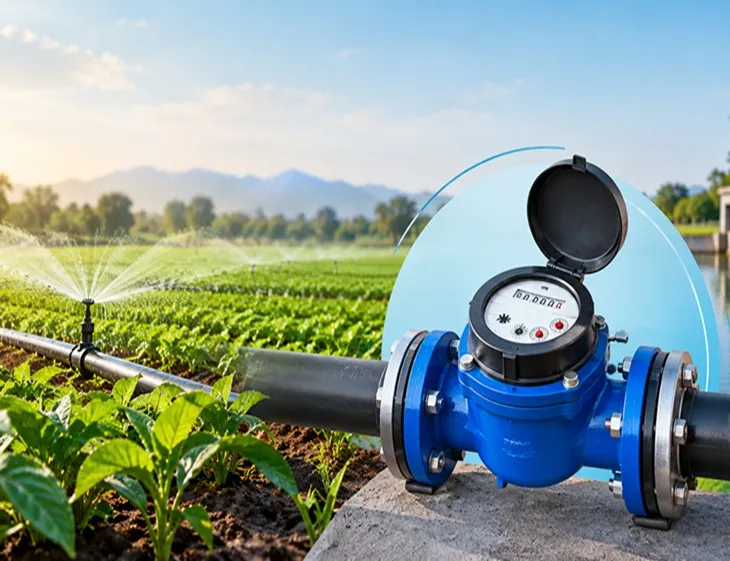
The selection of a water meter is not limited to considering the diameter of a pipeline and selecting a proper meter. It also depends on such factors as the expected flow rate, the type of water you are measuring, and why you are taking readings. This is important in irrigation because water source, pump capacity, and pipe placement vary from farm to farm.
Understanding how the system operates before comparing products makes it easier to choose a meter that can measure water appropriately and withstand the conditions in which it will be used.
Walk over to the water flow.
When choosing an irrigation water meter, consider the amount of water in the pipeline in normal operation. It is also worth understanding how the flow changes when fewer outlets are operating or when the system runs at its highest capacity.
This helps reduce the options. A meter should be suitable for the flow range expected in the installation, rather than being selected on pipe size alone. If the flow regularly falls outside its specified measurement range, the readings may not be as accurate as expected.
The pump capacity, number of operating outlets and pipeline arrangement can all help establish the likely flow conditions. Where these figures are uncertain, checking the system before purchasing a meter is a sensible first step.
For anyone researching how to select water meter for irrigation, the practical starting point is to understand the system's actual operating conditions and then compare those requirements with the manufacturer's specifications.
Accuracy Depends on the Meter and Its Operating Conditions
A water meter measures the volume of water passing through it, but the accuracy required depends on how the readings will be used. Monitoring irrigation consumption, measuring water supplied to a building and recording industrial usage may involve different priorities.
The term water meter accuracy class refers to the accuracy category specified under the applicable standard. Don't accept a generic claim of high accuracy for meters; always look for the standard it's rated under, the installation orientation, and the range it's calibrated for.
Automat's Aquameter range includes dry-type multi-jet and Woltman meters with specifications referencing ISO 4064 Class B for horizontal installation. The dry-type multi-jet meter also lists compliance with IS 779 and ISO 4064 Class B standards.
The product reference lists accuracy figures of ±5% in the lower flow zone and ±2% in the upper flow zone for the specified meter types. These figures should be read alongside the relevant product documentation, including the defined flow zones and installation conditions. They should not automatically be applied to every meter in the range.
Different Applications Call for Different Meter Designs
Water meters are used in agriculture, residential buildings and industrial facilities, but the conditions in these settings are not identical.
On a farm, the meter may be used to record the volume of water delivered through an irrigation pipeline. The source water may contain suspended material, and the system may operate at flow rates that differ from those in a domestic installation. The meter's construction and suitability for the water conditions therefore deserve attention.
An industrial water meter may be used in a process where monitoring water consumption is important for operational planning. The required flow range, water characteristics and connection arrangements will depend on the facility and the purpose of measurement.
Residential installations have their own requirements. A meter will flow differently in a home than in a large building.When choosing the right size water meter for your residence, take into account the demand, pipe connection, and meter's rated operating range in addition to the size of the pipe.
The intended application should guide the choice. Two meters may appear similar in size while having different internal mechanisms and recommended uses.
Understanding the Aquameter Options
Automat lists different water meter designs for different applications. Knowing how they differ can help you decide which product specifications to examine more closely.
Dry-Type Multi-Jet Water Meter
The dry-type multi-jet Aquameter is designed for potable water measurement. Its multi-jet mechanism and super dry-dial design are intended to support accurate registration across a wide flow range. The product also features a magnetic drive, a sealed register and an AMR-ready design.
These features may be relevant when choosing a meter for an installation where clear readings, maintenance and remote-reading compatibility are considerations. The product documentation should be checked for the specific connection and operating requirements.
Woltman-Type Water Meter
The Woltman meter uses a helix-shaped impeller and is listed for municipal, industrial and irrigation applications. Its dry dial, pulse output and vacuum-sealed register support reading and monitoring requirements, while the product reference also notes low head-loss.
This design is worth considering when evaluating a meter for a suitable higher-flow application, but the final choice should be based on the model's specified flow range and installation requirements.
Polymeric Agriculture Water Meter
The polymeric agriculture water meter is designed for irrigation and wastewater applications. Its tangential impeller is positioned to be less sensitive to weeds and solid debris in the water. The meter also has a dry dial, pulse output and vacuum-sealed register.
These features are relevant when the water source may carry debris. However, they do not mean that every source-water condition is suitable. Confirm the product's specified operating conditions before installation.
Check the Installation Before Buying
A meter's suitability depends on more than its measurement mechanism. Consider where it will be fitted, whether there is enough room for installation and whether the meter can be accessed for inspection or servicing.
Follow the manufacturer's instructions for flow direction, pipeline arrangement, orientation and connections. This is particularly important because the stated accuracy conditions for some Aquameter models specify horizontal installation.
Water quality also deserves attention. If the source contains sand or other suspended material, check whether the selected meter is suitable for those conditions and whether the system needs additional protection. Do not assume that every meter requires the same filtration arrangement; the decision depends on the source water, the meter design and the wider installation.
It is equally useful to consider how readings will be collected. A pulse output can be helpful when the installation needs to connect the meter to a compatible monitoring or control system. AMR readiness is another feature listed for the dry-type multi-jet model. Confirm the compatibility of any external equipment before making a purchase.
What If the Readings Change Suddenly?
A change in recorded water consumption can be a useful reason to investigate, but the reading alone may not explain what has happened.
In an irrigation system, higher consumption could reflect a change in the watering schedule, more outlets operating at once or a leak. Changes in industrial or residential usage can also have ordinary explanations.
Comparing readings with the operating schedule can help put the figures into context. Easy log of time helps in discovering strange changes and helps the operator in inspection of the system.
If the readings seem inconsistent, inspect the installation and review the meter's operating conditions. Where necessary, consult the supplier or a qualified technician rather than assuming that the meter itself is faulty.
A Practical Checklist Before Purchase
Before choosing an irrigation water meter, work through a few basic checks:
- Flow range: Can the meter measure the minimum, usual and maximum flow expected in the system?
- Accuracy: Are the stated accuracy class and measurement conditions appropriate for the application?
- Application: Is the selected model intended for the type of water and installation involved?
- Connections: Does the pipe, installation angle, and connections match the product?
- Monitoring: Do you need a pulse output, AMR readiness or another compatible reading arrangement?
- Maintenance: Can the meter be serviced and reviewed according to the manufacturer's specification?
Automat is a water scaling solution for agriculture, domestic use, and industry to optimize the water consumption.
The largest or most expensive irrigation water meter is not the best. It's the rating of a meter type for flow, water conditions, and measurement purpose. You must first know those requirements because it can be easier to compare products and choose a product that will work with the installation.
FAQs
How do I select a water meter for irrigation?
Start by checking the expected flow rate, water conditions and purpose of measurement, then compare these with the meter's specifications and intended application.
What size water meter do I need for my pipe?
You can't just decide to use pipe diameter. Consider the expected flow range, connection size and the manufacturer's installation requirements.
What is the accuracy class of a water meter?
It indicates the meter's accuracy category under an applicable standard. Check the stated class and measurement conditions for the specific model.
Can one meter be used for irrigation, industrial and residential needs?
Not necessarily. Some meters, such as Automat's Woltman model, are listed for municipal, industrial and irrigation use, but suitability depends on the operating conditions.
What affects water meter accuracy in field conditions?
The metering pipe can be installed or read at the flow rate within the range of design. Follow the manufacturer's installation instructions for reliable measurement.
Download Mobile App


Get in touch

Plot no. 18-19, Dilshad Garden, G.T. Road, New Delhi 110095.


